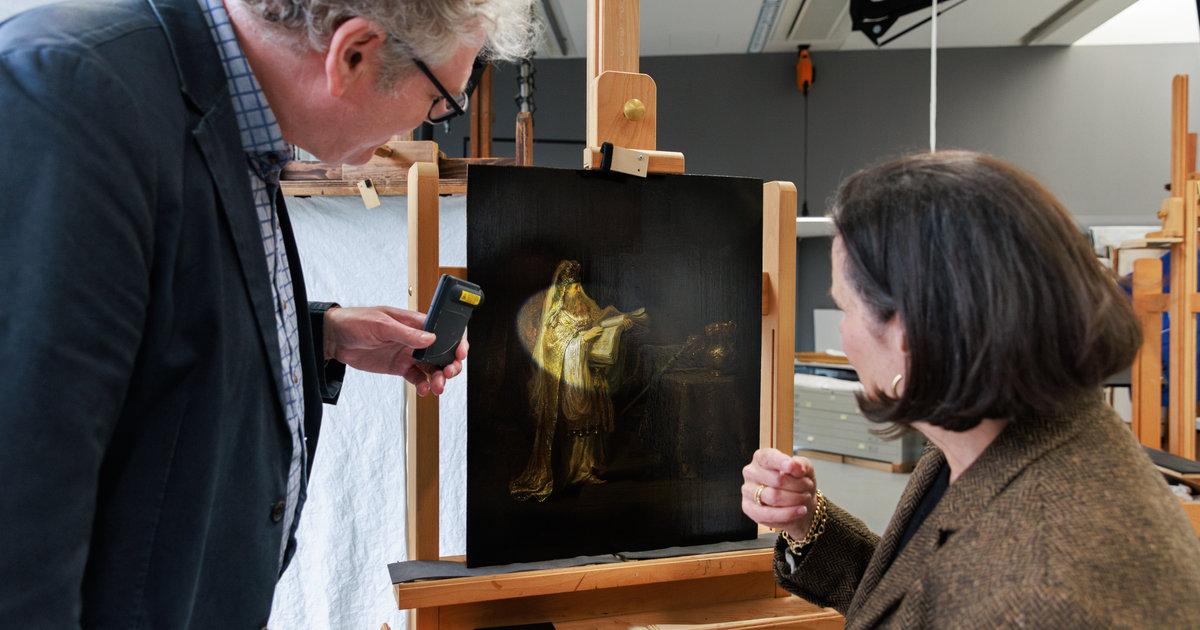
Fact Check: Is 'Rembrandt Bild Wiedergefunden' True? Online Silence
The phrase "Rembrandt Bild Wiedergefunden" translates from German to "Rembrandt painting rediscovered." For art enthusiasts, historians, and collectors, such a declaration would be nothing short of monumental. The discovery of a previously lost or unknown work by one of the greatest masters of the Dutch Golden Age would send shockwaves through the art world, leading to international headlines, museum exhibitions, and scholarly reevaluations. It evokes images of dusty attics, unexpected auction finds, or the meticulous work of conservators revealing hidden signatures. Given the profound cultural and financial implications of such a find, one would expect any genuine claim of a "Rembrandt Bild Wiedergefunden" to be widely reported across reputable news outlets, art journals, and museum channels.
However, a closer look at the digital landscape, particularly when searching for this exact phrase, reveals a perplexing silence. Instead of a deluge of exciting news articles or official announcements, initial inquiries often lead to a surprising void, or even to entirely unrelated technical discussions – a phenomenon that warrants a deeper investigation into what this online silence truly signifies.
The Curious Case of 'Rembrandt Bild Wiedergefunden' – A Digital Void
When a phrase as potentially significant as "Rembrandt Bild Wiedergefunden" doesn't yield immediate, clear, and authoritative results in common online searches, it raises critical questions. Such a discovery would not merely be a footnote; it would be a lead story on major news networks, art history blogs, and museum websites globally. The absence of such reporting is, in itself, a significant piece of information.
The challenge lies in the nature of online information retrieval. Sometimes, a specific phrase might not be the exact one used by news organizations, or perhaps a claim circulated briefly without substantiation. However, in cases where the phrase directly implies a groundbreaking event, the lack of relevant, credible sources is a strong indicator that the claim might be unfounded or, at the very least, not widely recognized or verified. This digital void contrasts sharply with the expected online buzz surrounding genuine art historical discoveries.
Decoding the Search Results: What We *Don't* Find
Our investigation into the specific phrase "Rembrandt Bild Wiedergefunden" has revealed a striking pattern: the actual content related to a Rembrandt painting rediscovery is notably absent from many initial search contexts. For instance, in some instances, searches for this specific phrase have inexplicably led to technical documentation concerning software installations or community feedback pages for unrelated platforms. This suggests a disconnect between the search query and widely available, relevant information.
Imagine searching for news about a major scientific breakthrough and instead finding forum posts about software updates. This isn't just an anomaly; it's a telling sign that the specific phrase "Rembrandt Bild Wiedergefunden" is not commonly associated with verified, publicly available news of an actual rediscovery. A true Rembrandt rediscovery would be cataloged, attributed, and discussed extensively by institutions like the Rembrandt Research Project, major auction houses (Sotheby's, Christie's), national museums (Rijksmuseum, National Gallery), and prestigious art publications (The Art Newspaper, Burlington Magazine). The fact that searches lead to a "page not found" or unrelated technical content, rather than reports from these authoritative sources, is the most crucial finding here. This phenomenon underscores the importance of scrutinizing the origins and context of any art discovery claim found online.
Why Online Silence Matters: Separating Fact from Fiction
In the age of instant information, the absence of data can be just as informative as its presence. When a potentially world-changing claim like "Rembrandt Bild Wiedergefunden" fails to generate verifiable, widespread coverage from established art institutions and media, it should immediately raise a red flag. This online silence isn't merely a lack of results; it's a powerful indicator that the claim, as phrased, might not correspond to a documented, widely accepted historical event.
The art world operates with a high degree of scrutiny, especially when it comes to attributing works to Old Masters like Rembrandt. Any claimed discovery undergoes rigorous authentication processes involving art historians, conservators, scientific analysis (dendrochronology for panels, pigment analysis, X-ray photography, infrared reflectography), and often years of painstaking research. A genuine rediscovery is typically announced with great fanfare by the responsible institution – a museum, a research project, or an auction house – backed by compelling evidence and peer review. Without such public, authoritative validation, a claim remains speculative at best, and potentially misleading at worst.
The Allure of Lost Art and the Perils of Premature Discovery Claims
The human fascination with lost treasures, especially those by legendary artists, is deeply ingrained. Stories of forgotten masterpieces resurfacing ignite our imagination, promising a connection to history and a glimpse into artistic genius. This allure can, however, also make us susceptible to unverified claims or misunderstandings. Throughout history, there have been numerous instances of genuine rediscoveries, such as the *Self-Portrait of the Artist as a Young Man* in Leiden, which was re-attributed to Rembrandt after decades of doubt, or the identification of new early works through meticulous research. These are processes that unfold over time, supported by collaborative scholarship.
Conversely, the art world also grapples with controversies surrounding mistaken attributions, fakes, and premature claims of discovery that do not withstand expert scrutiny. For instance, numerous paintings have been "rediscovered" as Rembrandts only to be later re-attributed to his pupils or followers. This underscores the intense scholarly debate and the need for exhaustive evidence. Therefore, when a phrase like "Rembrandt Bild Wiedergefunden" circulates without clear links to established institutions or verifiable evidence, it falls into a category requiring extreme caution. The excitement of a potential discovery must always be tempered by the critical imperative of fact-checking and validation by credible sources.
Navigating the Digital Landscape for Art News: Tips for Verification
In an era where information (and misinformation) spreads rapidly, developing robust verification skills is essential, especially when encountering claims about significant art discoveries. Here are practical tips to help you discern genuine news from unconfirmed rumors or irrelevant search results:
- Cross-Reference Multiple Reputable Sources: Never rely on a single source, especially if it's an obscure blog or social media post. For art news, always check major art publications (e.g., The Art Newspaper, Apollo Magazine, ARTnews), established news outlets (BBC, The New York Times, The Guardian), and official museum or research project websites. If a major Rembrandt discovery occurred, it would be impossible to miss across these channels.
- Verify the Source's Credibility: Ask yourself: Is this source an authority on art history? Is it a recognized museum, academic institution, or established news organization with a track record of journalistic integrity? Be wary of sensational headlines from unknown websites.
- Look for Dates and Updates: Old news can recirculate, leading to confusion. Check the publication date of any article. Has the information been updated or corroborated since its initial release?
- Examine the Evidence Provided: Reputable reports on art discoveries will typically include details about the authentication process – who authenticated it, what scientific methods were used (e.g., dendrochronology, X-rays, pigment analysis), and the provenance (history of ownership). The absence of such details is a warning sign.
- Use Advanced Search Techniques: When searching online, be specific. Try variations of keywords, and include terms like "official announcement," "museum," or "authenticated." You can also exclude irrelevant terms (e.g., "Rembrandt discovery" -Microsoft).
- Consult Official Institutions: For definitive information on Rembrandt's oeuvre, consult the websites of major museums with significant Rembrandt collections (e.g., Rijksmuseum, The Metropolitan Museum of Art, Gemäldegalerie Alte Meister) or specialized research bodies like the Rembrandt Research Project.
For further reading on how the web context often fails to provide details on such claims, and the challenges in finding information about lost paintings, explore these related articles:
Rembrandt Bild Wiedergefunden: Web Context Reveals No Details and
The Hunt for Rembrandt's Lost Painting: Where Online Sources Fail. These resources delve deeper into the complexities of verifying art-related information in the digital age.
Conclusion
While the prospect of a "Rembrandt Bild Wiedergefunden" is undeniably thrilling, our fact-check reveals that online searches for this specific phrase currently lead to a perplexing digital silence, rather than credible news of an actual rediscovery. The lack of authoritative reporting from major art institutions and reputable media outlets, coupled with the prevalence of unrelated search results, strongly suggests that such a groundbreaking event is not presently a documented or widely accepted fact. This situation underscores the critical importance of digital literacy and skepticism when encountering potentially world-changing claims in the art world. Always prioritize information from verified sources, cross-reference extensively, and understand the rigorous processes involved in authenticating works by Old Masters. Until official announcements emerge from the guardians of art history, the phrase "Rembrandt Bild Wiedergefunden" remains, for now, a testament to the allure of lost art rather than a confirmed reality.